
Article
The first paper receipt ever handed to a Greek accountant (probably)
Published 25 May 2026
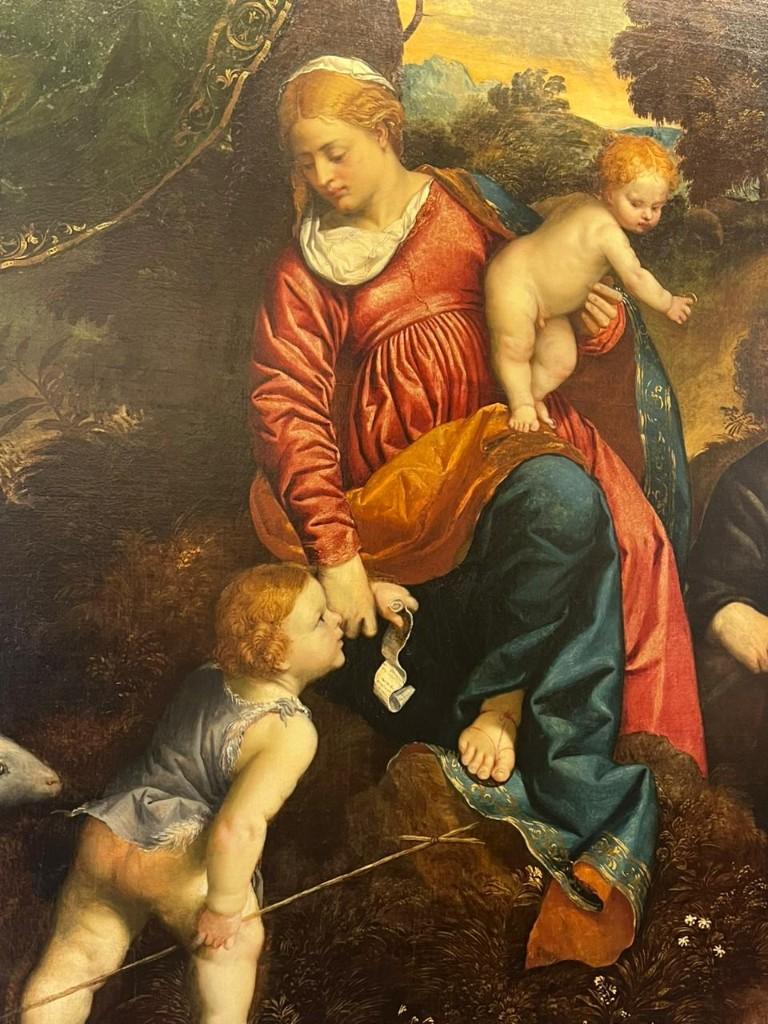
Somewhere around 1532, in Venice, a woman sat down with a small curled strip of paper and the expression of someone who has just found the missing receipt from a taverna in Exarchia. The child at her feet stared up as if the fate of Western civilization depended on whether the VAT number was legible.
We are, of course, looking at a detail from Titian’s *Madonna and Child with Saint John the Baptist and an Unidentified Saint*—better known as the *Aldobrandini Madonna* (National Gallery, London). Art historians call the object a phylactery scroll. Anyone who has ever emptied a jacket pocket before a visit to the accountant calls it something else: the first successfully collected paper receipt of the quarter.
In Greece, this scene never went out of fashion. We digitize everything, we photograph everything, we swear we will “send them all on Sunday,” and yet the paper receipt survives like a hardy weed. It lives in the glove compartment. It lives in the wrong envelope. It lives slightly damp, folded into a shape that was not approved by any god or ERP system.
Your accountant does not want a saga. Your accountant wants the papers—neat enough to read, complete enough to defend, and ideally not discovered in February under a bag of κουλούρια. The process is not modern. It is not elegant. It is the same pilgrimage it has always been: hunt, flatten, sort, apologize for the coffee stain, deliver.
A few years earlier, Parmigianino painted another version of the same bureaucratic miracle in *The Vision of Saint Jerome* (Uffizi, c. 1526–1527). Same century, same curl, same child gazing at the strip of parchment as though it were a treaty. Mannerism elongated the fingers; Greek tax season elongated the soul.
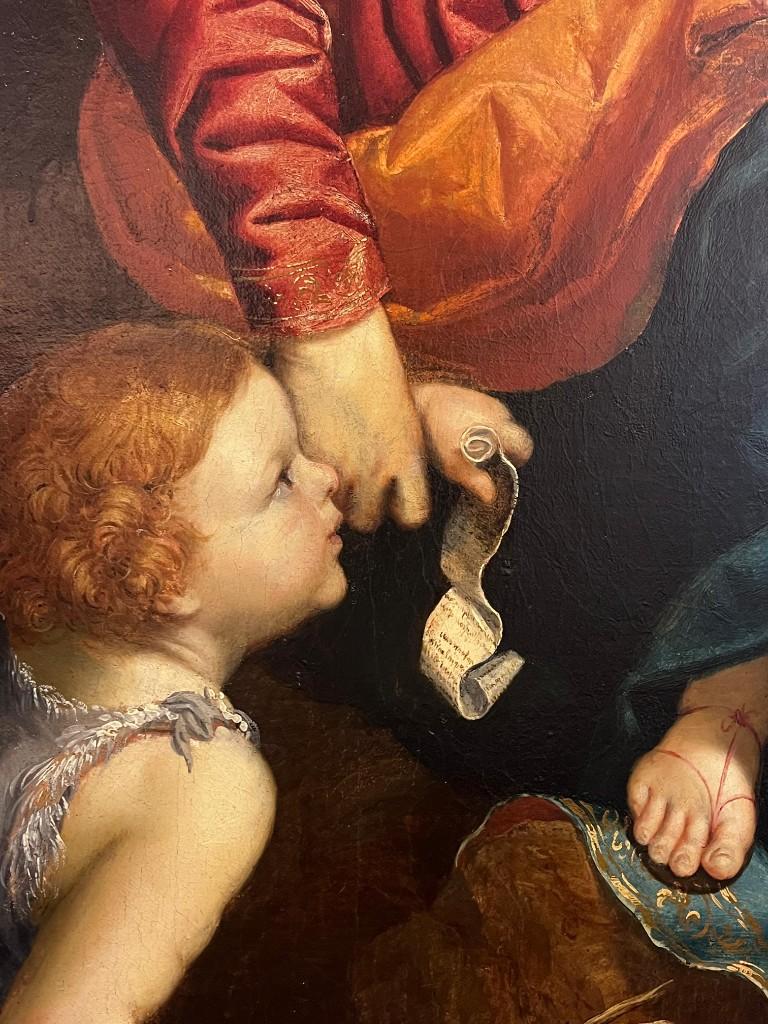
Notice the composition. The adult holds the document delicately, as one holds something both precious and likely to tear. The junior figure reaches upward in reverence. This is not religion. This is month-end.
We tell ourselves the past was simpler. It was not. They had plague, wars, and—if these paintings are any evidence—the same sinking feeling when someone says, “Έχεις και τις αποδείξεις;” No app invented that tone. No dashboard removes the need to physically gather what the law still imagines as little rectangles of proof.
So you collect. You collect from the pharmacy, from the petrol station, from the restaurant that prints two copies and gives you neither. You collect because your accountant is not being dramatic; the system really does want the paper trail, and “I have it on my phone” is not always the closing argument you hope it is.
Is there a moral? Only a tired one: the ritual is ancient, the scroll is holy only to paperwork, and the child’s awe is every freelancer the night before the folder must be delivered. Titian and Parmigianino captured the moment. We are still living in the sequel—same drama, worse thermal ink, no muses.
If you are reading this because you have a shoebox full of receipts and a calendar reminder that says “στείλε στον λογιστή,” you are not behind the times. You are in good historical company. Just flatten the curl before you hand it over. Even Renaissance masters knew the presentation mattered.